
You are here
Feed aggregator
Germany proposes EU unlock €140bn Ukraine loan from frozen Russia funds
Helping Ukraine in this way would "systematically and massively raise the costs of Russia's aggression," wrote German chancellor Friedrich Merz
Categories: European Union, Swiss News
ITRE-SANT power struggle reignites in Parliament over the Critical Medicines Act
The Committee on Industry, Research and Energy is trying to regain exclusive competence over several articles and shared competence for many others
Categories: European Union, Swiss News
MEPs press EU budget chief over anti-fraud watchdog turf war
"We would like to improve efficiency and coordination across the entire anti-fraud cycle," said Serafin, presenting the Commission's review of the EU's anti-fraud architecture in Parliament
Categories: European Union, Swiss News
La Commission rejette les appels à saisir les avoirs russes gelés
Jeudi 25 septembre, la Commission a fermement rejeté la demande des eurodéputés de saisir 200 milliards d’euros d’avoirs de la Banque centrale de Russie immobilisés dans l’UE, avertissant que leur confiscation contreviendrait au droit international et risquerait d’entraîner des représailles de la part de Moscou.
The post La Commission rejette les appels à saisir les avoirs russes gelés appeared first on Euractiv FR.
Categories: European Union, Union européenne
The Brief – China’s empty promises on the road to Belém
When you parse the Paramount Leader’s video message to world leaders, any vestige of optimism begins to melt away
Categories: European Union, Swiss News
INTERVIEW: Germany must ‘walk the walk’ and recognise us, says former Palestinian PM
Mohammad Shtayyeh called on Berlin and other EU countries to formally recognise Palestine, arguing it would align with their support for a two-state solution
Categories: European Union, Swiss News
The UN at 80: Charting a Path for the Future of Multilateralism
Event Video
Photos
Photos

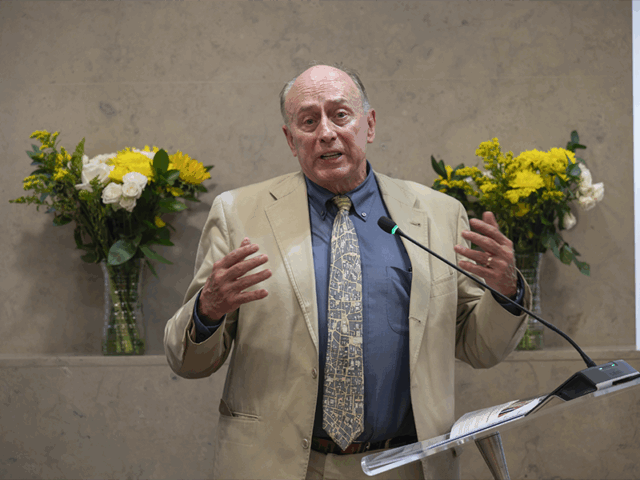
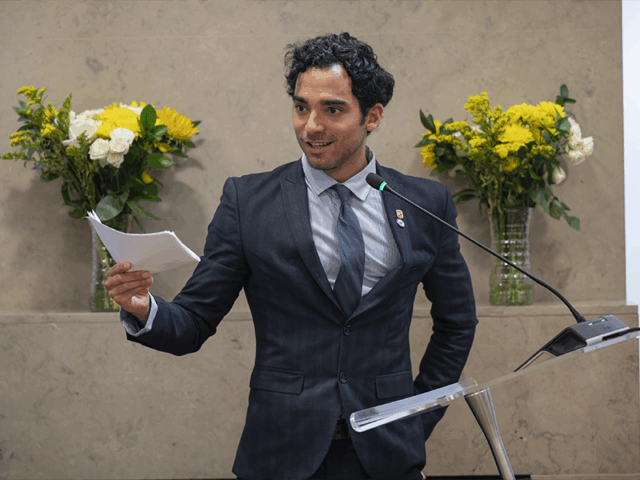
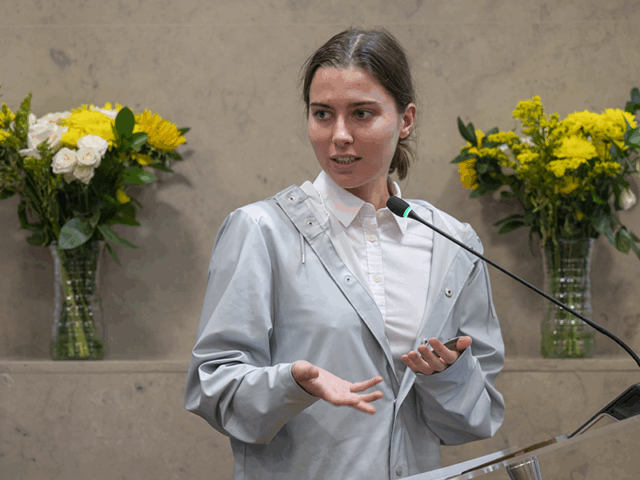
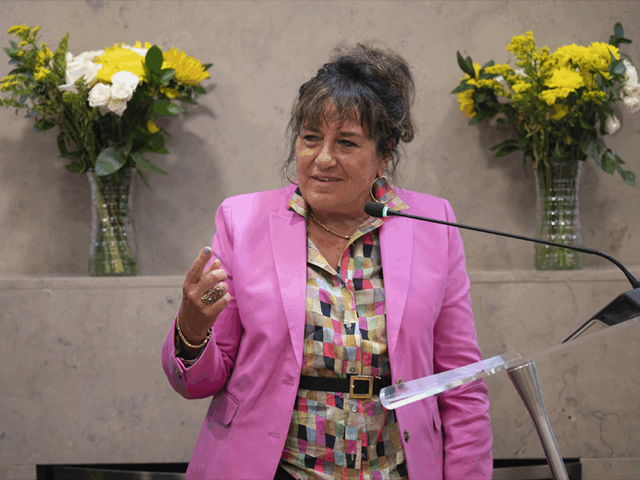
jQuery(document).ready(function($){$("#isloaderfor-opsiyi").fadeOut(300, function () { $(".pagwrap-opsiyi").fadeIn(300);});});
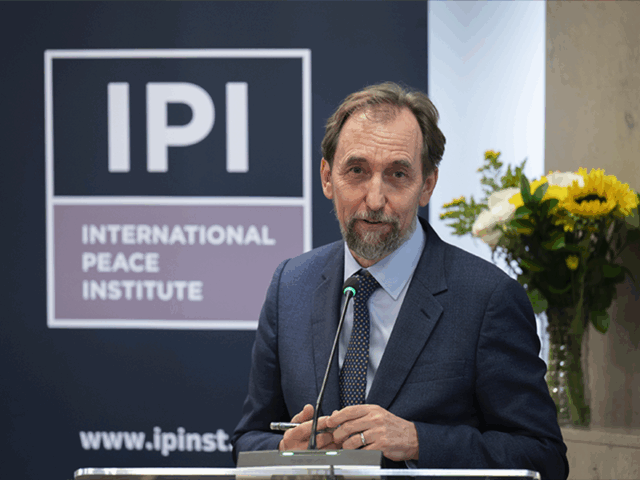
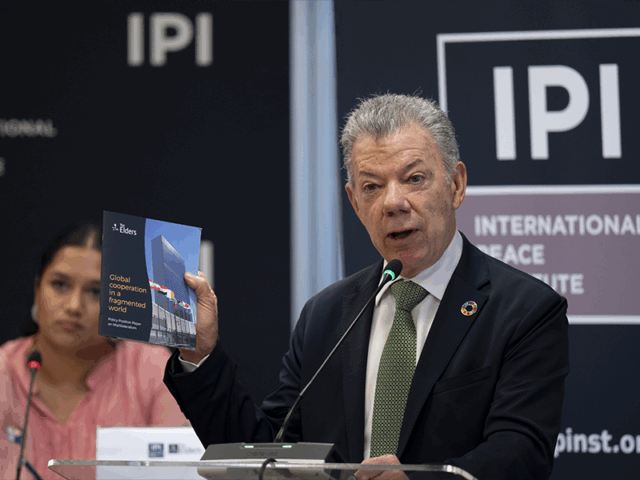
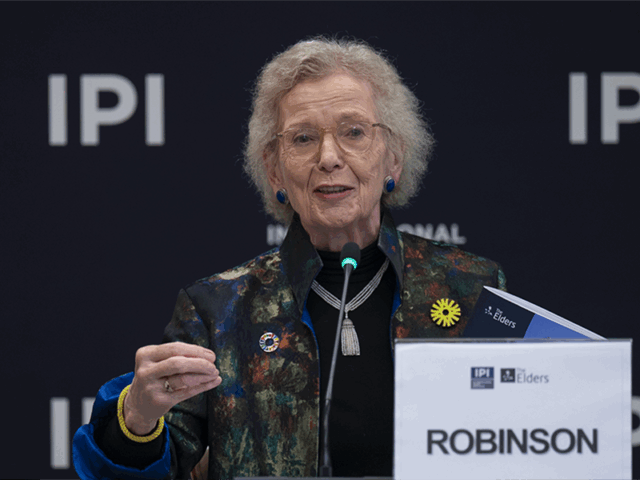
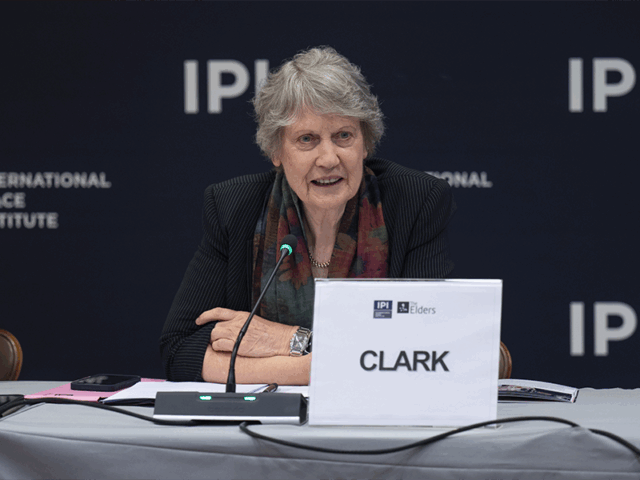
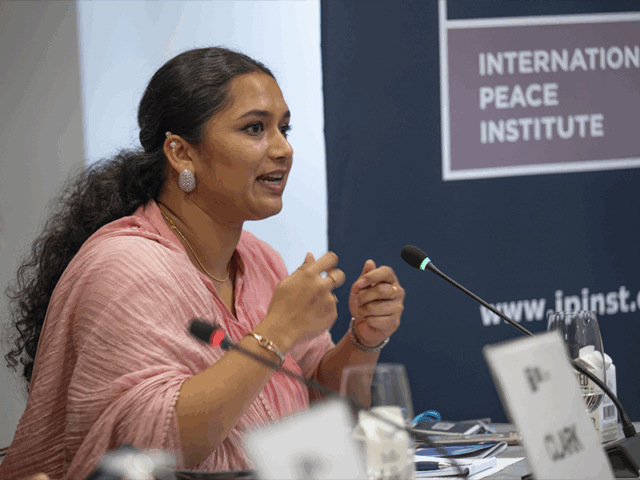
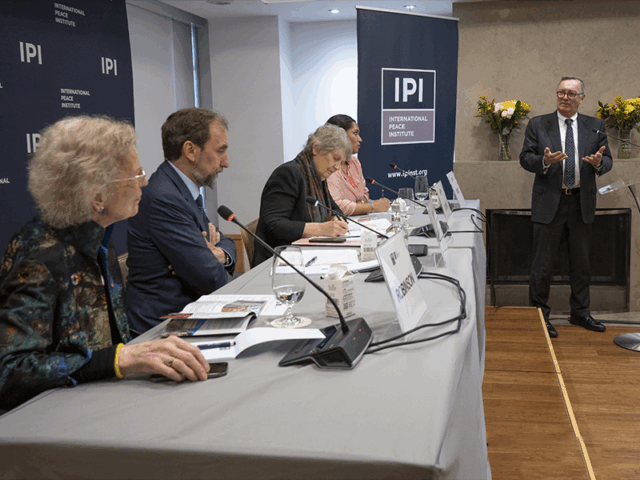
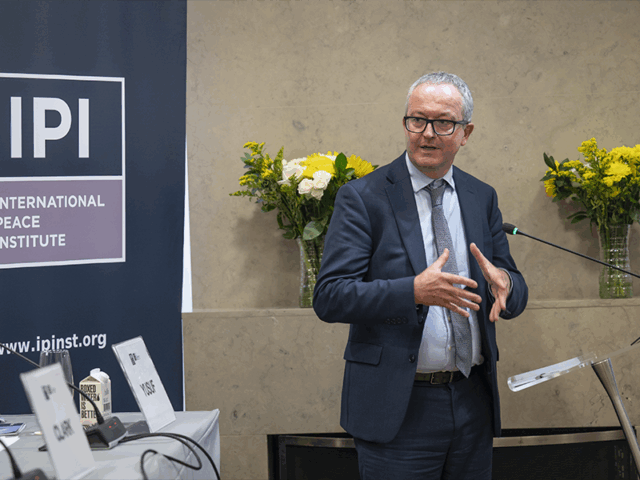
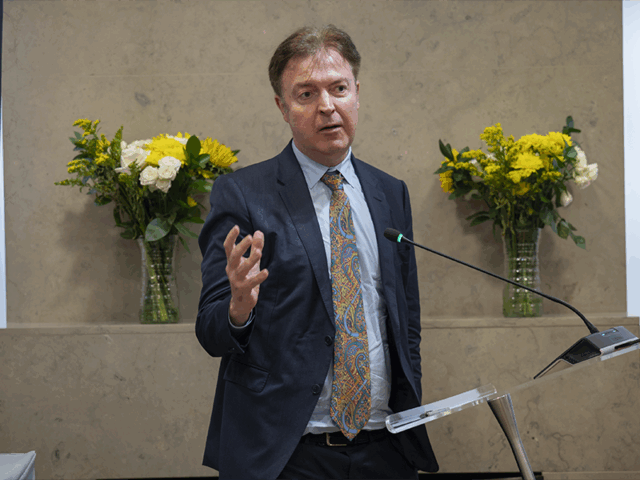
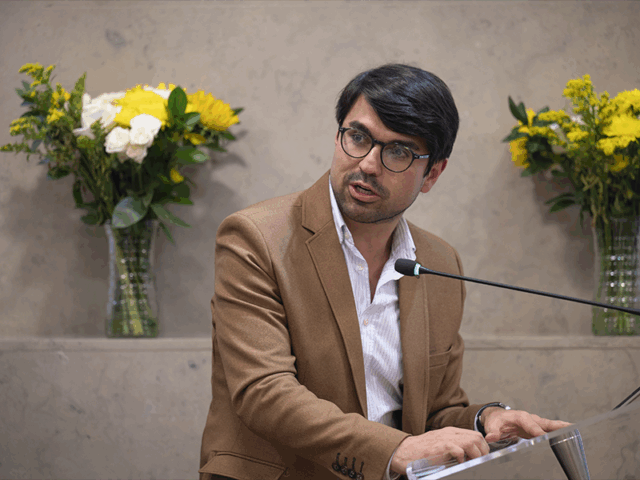
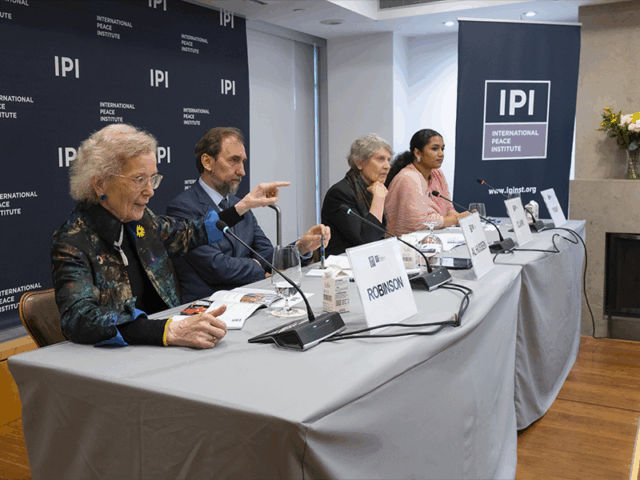
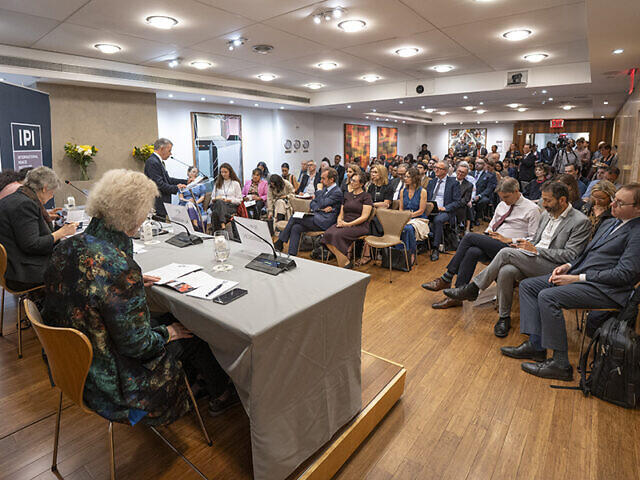
IPI, in partnership with The Elders, cohosted a policy forum on “The UN at 80: Charting a Path for the Future of Multilateralism” on September 25th.
The multilateral system is facing its greatest crisis since World War II, creaking under the strain of disordered global power dynamics. The UN has long struggled with a host of threats to multilateral cooperation, including growing disregard for the rule of law, nuclear proliferation, the rise of nationalist policymaking, and backtracking on global climate action and efforts to promote gender equality. Now, in the face of unprecedented funding cuts, the UN is being forced to reduce costs while seeking to retain relevance and improve efficiency across its three pillars. Bold thinking and action are urgently needed for a fairer, more effective, and more responsive UN to emerge from this crisis.
At the event, The Elders introduced their new policy paper, speaking to the failures of the existing multilateral system and calling for bold reform. The paper advocates for renewing the international peace and security architecture, overhauling the international financial architecture, accelerating investment in global public goods, and selecting a woman as the next UN secretary-general. The Elders shared nine “calls to action” to drive forward the process of reform.
Opening Remarks:
H.E. Juan Manuel Santos, Chair of The Elders; former President of Colombia; and Nobel Peace Laureate
Speakers:
H.E. Mary Robinson, Member of The Elders; former UN High Commissioner for Human Rights; and first woman President of Ireland
H.E. Helen Clark, Member of The Elders; former Prime Minister of New Zealand; and former Administrator of the UN Development Programme (UNDP)
Nudhara Yusuf, Co-Chair of the Coalition for the UN We Need
Moderator:
Zeid Ra’ad Al Hussein, President and CEO, International Peace Institute
The post The UN at 80: Charting a Path for the Future of Multilateralism appeared first on International Peace Institute.
Categories: Diplomacy & Defense Think Tank News, European Union
Des études pour relancer la filière bovine au Bénin
Le gouvernement a autorisé, ce mercredi 24 septembre 2025, la réalisation des études techniques, économiques et financières, topographiques, environnementales et sociales relatives au développement de la filière bovine.
La filière bovine du Bénin est considérée comme un pilier stratégique de développement rural, de création d'emplois et de sécurité alimentaire. Le gouvernement béninois envisage donc de structurer une nouvelle organisation afin de faire face aux difficultés rencontrées dans l'expression de son plein potentiel. Il s'agit entre autres de la faible productivité du cheptel et les rendements limités, l'insuffisance d'infrastructures modernes d'engraissement, d'abattage, de transformation et de distribution ainsi que la fragmentation de la chaîne de valeur.
C'est dans cet élan qu'une société brésilienne spécialisée en la matière a été identifiée comme partenaire pour la réalisation des études techniques et économiques sur le site de la ferme d'élevage de l'Okpara.
« Les études topographiques quant à elles, sont confiées à l'Institut géographique national tandis que celles d'impact environnemental et social, qui s'étendront sur un premier périmètre de 20 000 hectares, seront conduites par une autre entreprise qui en a l'expertise », précise le gouvernement.
Marina HOUENOU (Stag)
Categories: Afrique, European Union
Au Parlement européen, les commissions prêtes à s’affronter pour peser sur le prochain budget de l’UE
La commission des Budgets du Parlement cherche à prendre la tête de dossiers clés liés au budget 2028-2034 de l’UE. La bataille s’annonce intense, car plusieurs commissions et groupes politiques veulent peser sur les discussions autour de cette enveloppe de 2 000 milliards d’euros.
The post Au Parlement européen, les commissions prêtes à s’affronter pour peser sur le prochain budget de l’UE appeared first on Euractiv FR.
Categories: Union européenne
Danish Presidency pushes for tougher rules on rare seed varieties
The compromise would ban conservation varieties from being cultivated outside their regions of origin
Categories: European Union, Swiss News
Várhelyi says health ‘big winner’ of EU’s next long-term budget
Europe has a chance to catch up with the US through its Life Sciences Strategy and pharma overhaul, the health commissioner said
Categories: European Union, Swiss News
Merkel says she misses nothing from German politics in interview
In a rare interview, Merkel defended her record on Russia, stood by her refugee policy, and praised long-time CDU rival turned Chancellor Friedrich Merz
Categories: European Union, Swiss News
L'ANDF dément la vente de parcelles dans plusieurs villes
A travers un communiqué en date du jeudi 25 septembre 2025, le directeur général de l'Agence nationale du Domaine et du Foncier (ANDF) alerte sur une fausse annonce de vente de parcelles dans plusieurs villes du Bénin.
L'ANDF n'a lancé aucune opération de mise en vente de parcelles dans les municipalités de Porto-Novo, Cotonou et Parakou. Selon l'Administration foncière et domaniale, il s'agit « de faux grossiers et d'une tentative d'escroquerie à grande échelle, orchestrée certainement par des individus, sans foi ni loi en quête de gains faciles ».
« L'Agence nationale du Domaine et du Foncier n'a pas une mission de promotion immobilière. Elle n'est pas dans le commerce de terrains ni dans l'intermédiation pour les transactions foncières et immobilières », informe le directeur Victorien Kougblénou. Elle en appelle à la vigilance et à la prudence de tous, pour échapper à ce piège grotesque. Selon l'administration foncière, toutes les mesures sont déjà prises pour identifier les auteurs de ces manœuvres.
Categories: Afrique, European Union
Le gouvernement approuve le Plan stratégique 2025-2029 de l'ANPE
En Conseil des ministres ce mercredi 24 septembre 2025, le gouvernement béninois a approuvé le Plan stratégique 2025-2029 de l'Agence nationale pour l'Emploi.
L'Agence nationale pour l'Emploi (ANPE) dispose désormais d'un Plan stratégique 2025-2029. Approuvé en Conseil des ministres, ce plan stratégique servira de boussole pour toutes les interventions sur la période de référence.
Il ambitionne qu'« A l'horizon 2029, l'écosystème de promotion de l'emploi au Bénin est un cadre assaini, innovant et inclusif d'encadrement optimal des jeunes ». Le Plan est décliné « en orientations stratégiques avec un plan d'action budgétisé et un cadre de mesure de performances dans une approche mixte impliquant l'ensemble des acteurs clés. Autant d'outils permettant de guider les actions de l'Agence pour une plus grande visibilité ».
« Pour l'opérationnaliser, des orientations stratégiques rattachées à un objectif stratégique sont définies, soutenues par un programme de mise en œuvre », informe le Conseil des ministres. Selon la même source, « l'ensemble du dispositif a pour finalité l'amélioration de la gouvernance, le développement d'un système d'information et de suivi du marché du travail ainsi que le renforcement de l'accès à l'emploi décent, durable de même qu'au volontariat ».
A.A.A
Europe can’t compete without water action, warns Danish firm
The Danish EU Presidency presents a timely opportunity to elevate water resilience on the agenda and capitalise on it as a competitive advantage
Categories: European Union, Swiss News
Minutes - Thursday, 4 September 2025 - PE776.889v01-00 - Committee on Foreign Affairs
Source : © European Union, 2025 - EP
Categories: Europäische Union, Union européenne
Cross-party criticism of Europe’s poor showing at UN climate conference
“By delaying our 2040 target, the EU puts global climate ambition at risk,” the green lawmaker Lena Schilling said
Categories: European Union, Swiss News
‘Once you break it, it’s broken’: Brussels rebuffs calls to seize Russian assets
The director general of the EU executive’s financial services division told MEPs that the proposed “reparation loan” to Ukraine would “mobilise” frozen Russian assets without affecting their “ownership” – and would thus fall short of confiscation
Categories: European Union, Swiss News
Record Number of Women Living Within Striking Distance of Military Conflicts
Women stand in a damaged displacement settlement in Khan Younis, Gaza. Credit: UNFPA/Media Clinic
By the Peace Research Institute Oslo
OSLO, Norway, Sep 25 2025 (IPS)
The battlefield is no longer distant; for millions of women, it’s next door. An estimated 676 million women – nearly 17 percent of the global female population – lived within 50 kilometres of a deadly conflict last year, according to a new report from the Peace Research Institute Oslo (PRIO). That is the highest figure recorded since the end of the Cold War.
Women at risk
2024 marked a historic peak in women’s exposure to armed conflict. The number of women living in conflict zones has more than doubled compared to 1990, reflecting both the rising scale of global violence and the increasing reach of conflicts into densely populated areas.
The study found that last year, around 245 million women lived in areas where conflict caused more than 25 battle-related deaths, while 113 million women were located in zones with over 100 deaths.
Bangladesh recorded the highest absolute number of women exposed, with nearly 75 million living within 50 kilometres of conflict. The violence was primarily linked to nationwide protests in July and August, which culminated in the ousting of former Prime Minister Sheikh Hasina.
In Syria, Lebanon, Israel and Palestine, all women were affected, meaning entire female populations were directly exposed to deadly violence.
Living near conflict zones has severe consequences for women’s lives. Armed conflict undermines inclusion, justice and security, and is consistently associated with higher maternal mortality, greater risks of gender-based violence, reduced access to education for girls, and widening gender gaps in employment.
These impacts threaten women’s immediate safety, but also their long-term wellbeing and economic prospects, weakening the foundations needed for recovery.
‘Conflict doesn’t just happen on the battlefield – it reaches into women’s homes, schools and workplaces, disrupting the very foundations of their lives,’ said PRIO Research Director Siri Aas Rustad, who is the author of the report. ‘While some may find new roles in crisis, these opportunities are fragile. The hard truth is that war widens gender inequalities and leaves women at greater risk.’
Regional variation
The report highlights striking regional and national differences. In Lebanon in 2024, 100 percent of the female population lived within 50 kilometres of a conflict event where the death toll exceeded 100 – this means that all women in Lebanon are exposed to high-intensity conflict.
In the Palestinian territories, nearly 80 percent of women reside near areas with more than 100 fatalities, with the other 20 percent living in conflict areas with between 1 and 99 killed. Over one third of women live close to zones with more than 1,000 deaths. Syria shows a similarly severe pattern, with most women exposed to medium- and high-intensity conflict.
In Nigeria, the report reveals that women in Borno State face particularly high-intensity violence linked to Boko Haram and the Islamic State, while women in the South-South region are increasingly affected by separatist violence.
Long-term toll
The developmental costs of the impact on women are profound. Countries with a high proportion of women living near conflict consistently score lower on the United Nations Human Development Index, underlining the long-term effects of violence on education, health and livelihoods.
Protracted conflicts, often overshadowed by more visible wars, steadily erode social and economic structures. At the same time, cuts in international aid threaten to further weaken infrastructure and deepen vulnerabilities
The Peace Research Institute Oslo (PRIO) is a world-leading institute for the study of peace and conflict. Through cutting-edge research, PRIO examines the drivers of violence and the conditions that enable peaceful relations between states, groups and individuals.
IPS UN Bureau
Follow @IPSNewsUNBureau
!function(d,s,id){var js,fjs=d.getElementsByTagName(s)[0],p=/^http:/.test(d.location)?'http':'https';if(!d.getElementById(id)){js=d.createElement(s);js.id=id;js.src=p+'://platform.twitter.com/widgets.js';fjs.parentNode.insertBefore(js,fjs);}}(document, 'script', 'twitter-wjs');
Categories: Africa, Europäische Union
La Commission envisage une taxe sur les aliments ultra-transformés
Devant les eurodéputés de la commission de la Santé du Parlement jeudi 25 septembre, le commissaire européen Olivér Várhelyi s’est dit ouvert à un système de taxation des produits riches en sucre, en graisses et en sel afin de contribuer au financement de la santé publique.
The post La Commission envisage une taxe sur les aliments ultra-transformés appeared first on Euractiv FR.
Categories: Union européenne
Pages
the old site is here


© 2012-2015 Europa Varietas Foundation © 2015-2020 Europa Varietas Association
www.europavarietas.org | info(@)europavarietas(dot)org | Switzerland
This is a GDPR ready site


We are looking for sponsors for the English translation of these books, please contact turkeandras(at)gmail(dot)com