
You are here
Feed aggregator
Video einer Ausschusssitzung - Mittwoch, 24. September 2025 - 13:00 - Ausschuss für Sicherheit und Verteidigung
Dauer des Videos : 135'
Haftungsausschluss : Die Verdolmetschung der Debatten soll die Kommunikation erleichtern, sie stellt jedoch keine authentische Aufzeichnung der Debatten dar. Authentisch sind nur die Originalfassungen der Reden bzw. ihre überprüften schriftlichen Übersetzungen.
Quelle : © Europäische Union, 2025 - EP
Haftungsausschluss : Die Verdolmetschung der Debatten soll die Kommunikation erleichtern, sie stellt jedoch keine authentische Aufzeichnung der Debatten dar. Authentisch sind nur die Originalfassungen der Reden bzw. ihre überprüften schriftlichen Übersetzungen.
Quelle : © Europäische Union, 2025 - EP
Categories: Europäische Union, European Union
Press release - First vote on simplification of EU agriculture laws
The Agriculture and Rural Development Committee adopted its position on Wednesday on a proposal to simplify the current EU common agricultural policy.
Committee on Agriculture and Rural Development
Source : © European Union, 2025 - EP
Committee on Agriculture and Rural Development
Source : © European Union, 2025 - EP
Categories: Afrique, European Union
Press release - First vote on simplification of EU agriculture laws
The Agriculture and Rural Development Committee adopted its position on Wednesday on a proposal to simplify the current EU common agricultural policy.
Committee on Agriculture and Rural Development
Source : © European Union, 2025 - EP
Committee on Agriculture and Rural Development
Source : © European Union, 2025 - EP
Categories: Europäische Union, Swiss News
Press release - First vote on simplification of EU agriculture laws
The Agriculture and Rural Development Committee adopted its position on Wednesday on a proposal to simplify the current EU common agricultural policy.
Committee on Agriculture and Rural Development
Source : © European Union, 2025 - EP
Committee on Agriculture and Rural Development
Source : © European Union, 2025 - EP
Categories: Europäische Union, European Union
Press release - First vote on simplification of EU agriculture laws
The Agriculture and Rural Development Committee adopted its position on Wednesday on a proposal to simplify the current EU common agricultural policy.
Committee on Agriculture and Rural Development
Source : © European Union, 2025 - EP
Committee on Agriculture and Rural Development
Source : © European Union, 2025 - EP
Categories: Afrique, Európai Unió : hírek magyarul
Afghan Women Die Needlessly After Natural Disasters
A powerful 6.0-magnitude earthquake struck eastern Afghanistan late on 31 August 2025, with its epicenter near Jalalabad in Nangarhar province. A shortage of female doctors left women untreated as the quake’s toll mounted. Credit: UNICEF/Amin Meerzad
By External Source
KABUL, Sep 24 2025 (IPS)
In normal times, women in Afghanistan face dire living conditions relative to their counterparts in other parts of the world, given the iron grip of Taliban repression. However, the powerful 6.0-magnitude earthquake that struck the eastern Afghan provinces of Kunar, Nangarhar, and Laghman at the end of August was out of the ordinary.
It was the deadliest quake to hit earthquake-prone Afghanistan in decades, and humanitarian efforts to reach the most vulnerable – usually women, children, and the elderly – were overwhelmed.
In the affected areas, a serious shortage of female doctors led to a higher toll among women because male doctors did not have easy access to female victims due to gender segregation
Nearly 700,000 homes and 500 hectares of farmland were damaged in Kunar alone, according to Afghan authorities.
But the only factor that was not a force of nature is the gender-based restrictions instituted by the Taliban, which aggravated the crisis for Afghan women.
In the affected areas, a serious shortage of female doctors led to a higher toll among women because male doctors did not have easy access to female victims due to gender segregation.
“Taliban edicts bar women from moving freely without a male guardian, ban them from many forms of work and strictly limit access to healthcare,” according to a report by the UN Assistance Mission in Afghanistan.
In the aftermath of the deadly quake, residents from Kunar and Jalalabad told us that women in these areas faced shortages of safe shelter and drinking water, while also battling women’s health issues.
The condition of women and children in other areas such as Kunar, Nangarhar, and Laghman was equally poor.
The total death toll from the earthquake is estimated at 2,200 people. The exact number of women casualties remains unclear, but health workers in the affected areas have reported high death tolls among women and children.
Sharifa Aziz (a pseudonym), a member of the UNICEF relief team who spent three days in various parts of Kunar province, told us over the phone: “The situation is extremely dire. When we first arrived, women cried tears of joy at seeing us. They said, ‘God’s angels have come to us.’” Their jubilation was understandable.
There were insufficient female workers to serve women’s needs, stemming from the Taliban’s overall clampdown on women’s participation in the labour market. Their participation in international humanitarian organizations’ work is also strictly limited.
As the earthquake was still unfolding, Susan Ferguson, the UN Women Special Representative in Afghanistan, put out a statement: “Women and girls will again bear the brunt of this disaster, so we must ensure their needs are at the heart of the response and recovery,” she warned.
According to her, after the major earthquake that hit Herat in 2023, “nearly six out of 10 of those who lost their lives were women, and nearly two-thirds of those injured were women.”
After the quake struck, local news sources began reporting that the majority of the victims were women and children.
In some households, as many as five or six children lost their lives, and the death toll among women and the elderly was alarmingly high.
The Taliban eventually dispatched a team of mobile health workers to Kunar only after images from social media circulated on local television showing a shortage of female doctors in the affected area, according to Abdulqadeem Abrar, spokesperson for the Afghan Red Crescent Society.
However, residents say that with the rising number of injured people, they continue to face a shortage of female medical staff.
“After the severe earthquake in our area, we came to the hospital and brought in patients here. There is a serious shortage of female doctors. If there were more female doctors here, we would not have had to transfer our patients elsewhere,” complained Chenar Gul, a resident of Kunar.
As Tajudeen Oyewale, UNICEF’s representative in Afghanistan, pointed out in a posting on X, the role of female doctors is critical in responding to disasters such as earthquakes.
He added that female doctors treat children and women as well as men affected by the earthquake in these provinces. However, in humanitarian agencies without female staff, or where access is restricted, it is feared that women can be left untreated for several hours.
The growing concerns over the shortage of female doctors and healthcare workers—a contributory factor to the high toll exacted on women—should have brought home to the Taliban the negative impact of their policy. But in recent remarks, Zabihullah Mujahid, a Taliban leader, described the issue of girls’ education as “minor.”
For the fourth consecutive year, the Taliban have kept all universities, institutions, and medical training centers for girls and women closed, including specialized nursing and medical technology centers.
The scale of destruction caused by the 6.0-magnitude earthquake was exacerbated by poor infrastructure and a fragile healthcare system—a legacy of a country emerging from decades of military conflict—which explains the unacceptably high number of casualties.
However, it is within human capability to mitigate the severe impact of such recurring events on women. All it takes is for the international community to stand in solidarity with Afghan women by bringing relentless pressure on the Taliban government.
Excerpt:
The author is an Afghanistan-based female journalist, trained with Finnish support before the Taliban take-over. Her identity is withheld for security reasons
Categories: Africa, European Union
Le commissaire Magnus Brunner appelle les ministres de l’UE à discuter de la répartition de la charge migratoire
Le commissaire européen aux Migrations, Magnus Brunner, a convoqué les États membres le mois prochain pour une réunion informelle afin de discuter du futur mécanisme de solidarité envisagé dans le cadre du Pacte européen sur les migrations.
The post Le commissaire Magnus Brunner appelle les ministres de l’UE à discuter de la répartition de la charge migratoire appeared first on Euractiv FR.
Vaccins, dépistages… Quand les pharmaciens empiètent sur le travail des médecins
Un récent rapport met en lumière l’élargissement du rôle des pharmaciens, qui offrent désormais une gamme étendue de services de santé au‑delà de la simple délivrance de médicaments. Cette évolution suscite des inquiétudes parmi les médecins.
The post Vaccins, dépistages… Quand les pharmaciens empiètent sur le travail des médecins appeared first on Euractiv FR.
Stellungnahme zu dem Gesamthaushaltsplan der Europäischen Union für das Haushaltsjahr 2026 – alle Einzelpläne - PE776.850v01-00
Stellungnahme zu dem Gesamthaushaltsplan der Europäischen Union für das Haushaltsjahr 2026 – alle Einzelpläne
Ausschuss für Sicherheit und Verteidigung
Marie-Agnes Strack-Zimmermann
Quelle : © Europäische Union, 2025 - EP
Ausschuss für Sicherheit und Verteidigung
Marie-Agnes Strack-Zimmermann
Quelle : © Europäische Union, 2025 - EP
Categories: Europäische Union, European Union
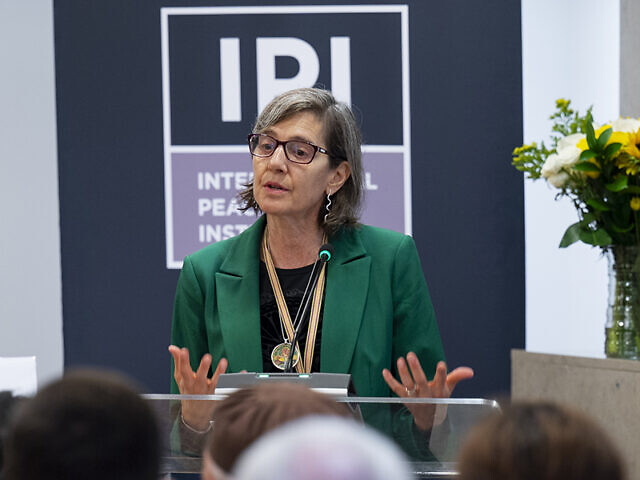
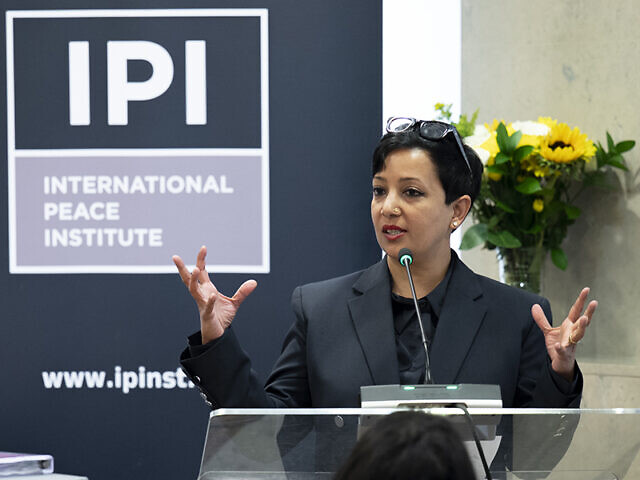
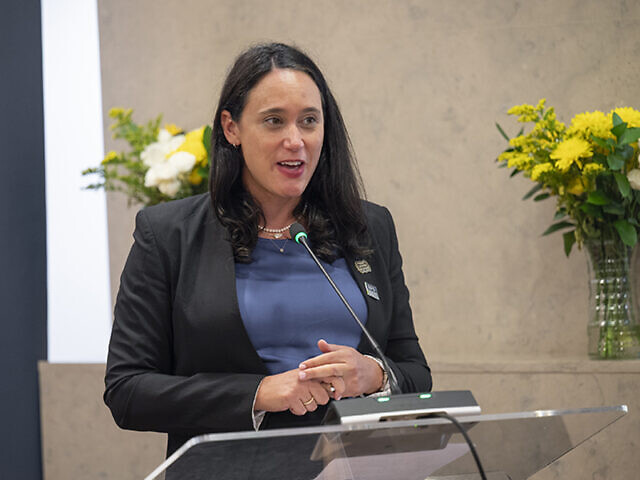
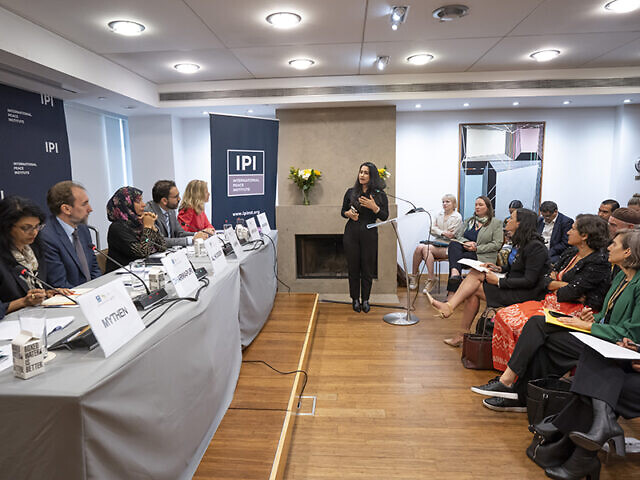
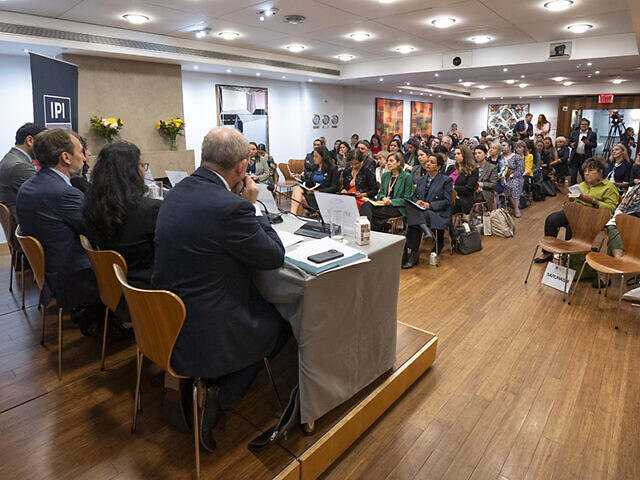
Women, Peace, and Leadership Symposium on Women’s Leadership for International Peace and Security
Event Video
Photos
Photos
jQuery(document).ready(function($){$("#isloaderfor-okgpqe").fadeOut(300, function () { $(".pagwrap-okgpqe").fadeIn(300);});});
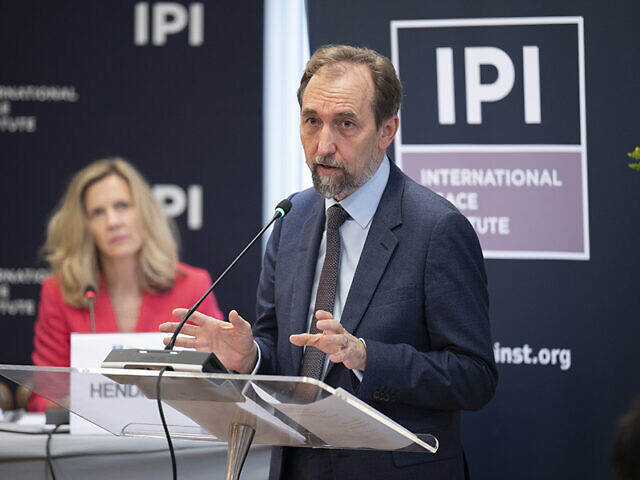
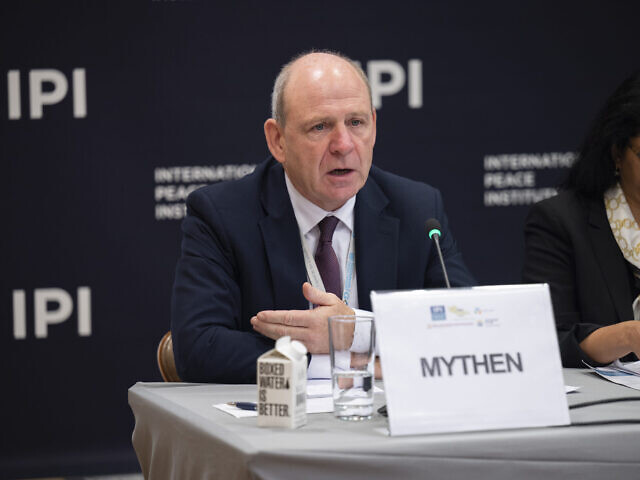
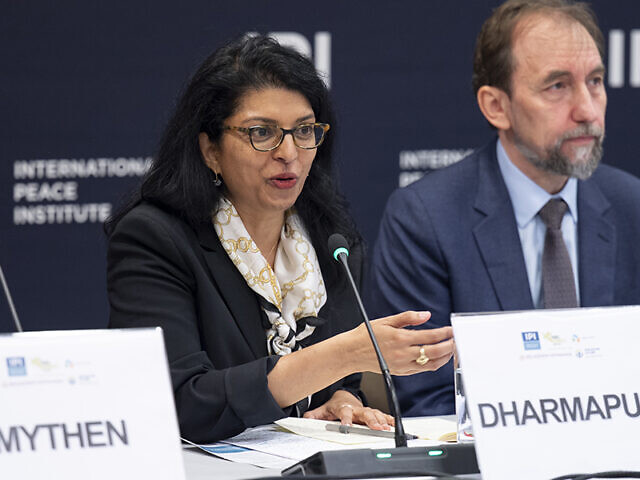
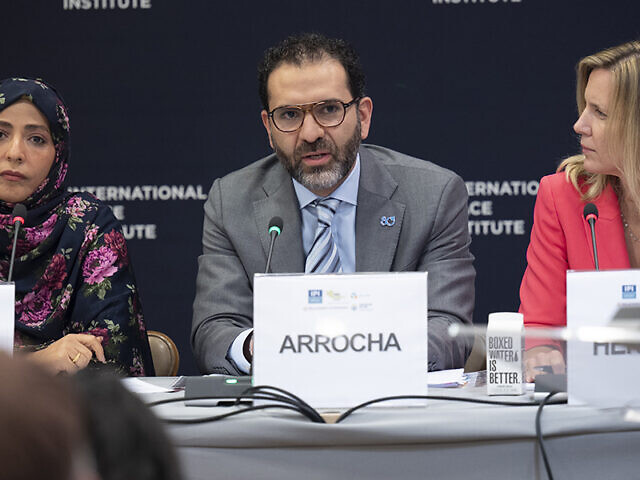
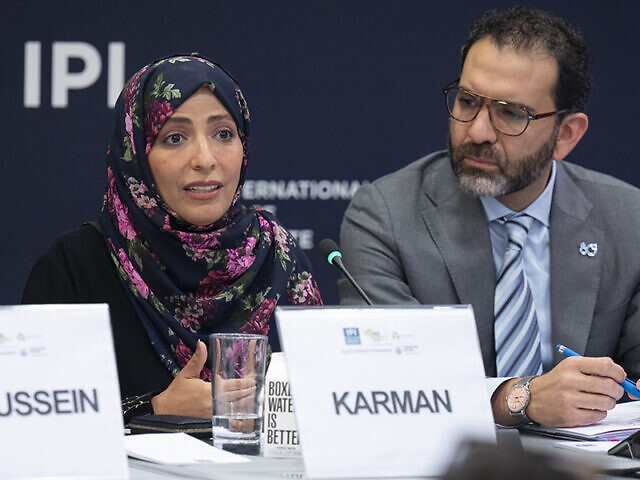
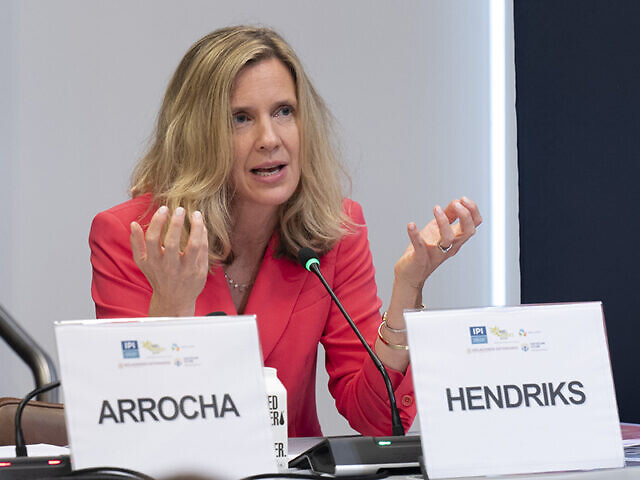
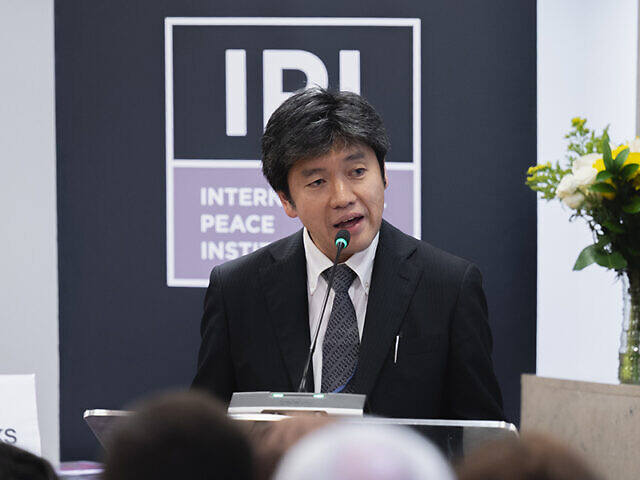
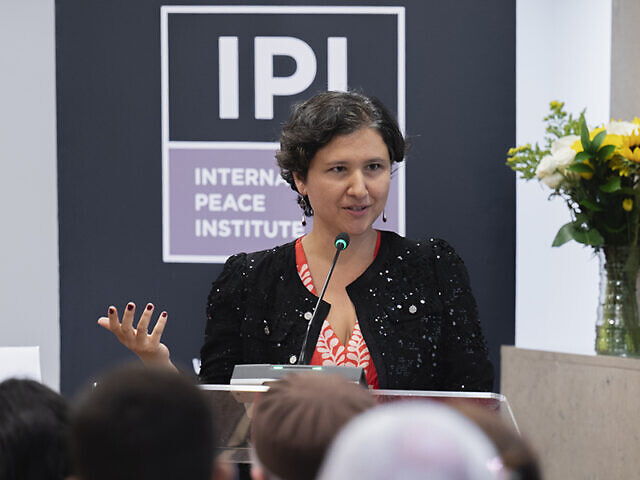
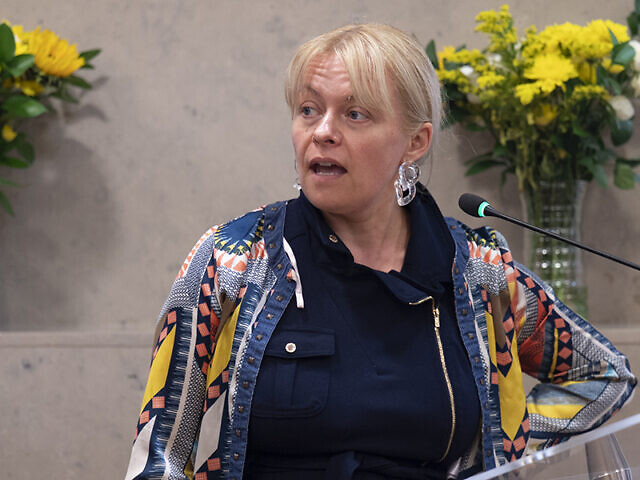
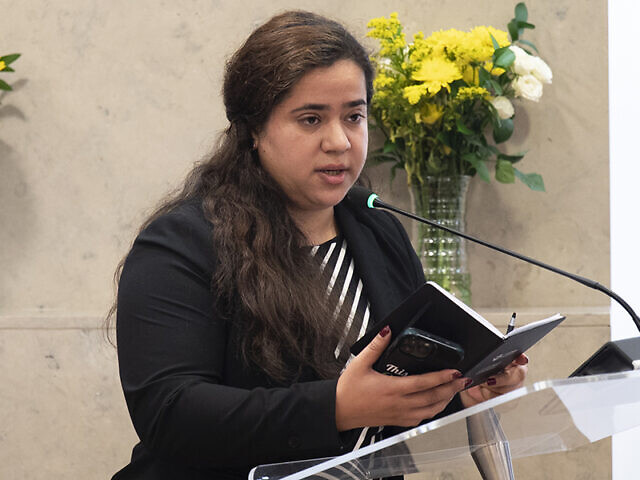
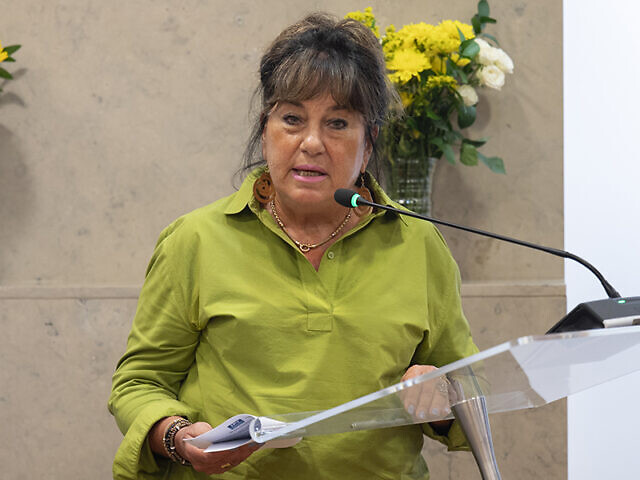
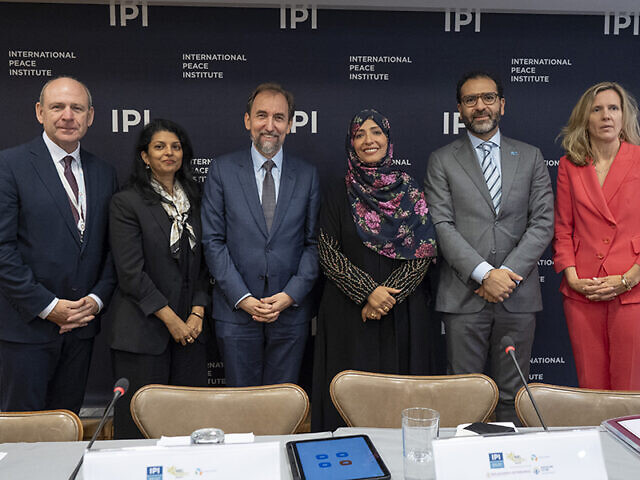
IPI together with the Permanent Mission of Ireland to the United Nations, and the Secretary of Foreign Affairs of Mexico, in partnership with Our Secure Future and the Nobel Women’s Initiative, cohosted the annual “Women, Peace, and Leadership Symposium on Women’s Leadership for International Peace and Security” on September 24th. Now in its eighth year, this symposium aims to ensure that WPS is not only discussed within the UN Security Council during “WPS week” in October but is also integrated into broader high-level discussions at the UN.
This year, the Women, Peace, and Leadership Symposium returns to the foundation of the series and focuses on women’s leadership in international peace and security. The discussion examined women’s leadership in formal political spaces, within conflict settings, at the community level, and in areas that are crucial to international peace and security, including technology. While this event highlighted innovations and successes in women’s leadership, the conversation encouraged people of all genders to fight these barriers and be accountable to international obligations to increase women’s participation.
Opening Remarks:
Hiroyuki Saruhashi, Director, Gender Mainstreaming Division at Ministry of Foreign Affairs, Japan
Speakers:
H.E. Fergal Mythen, Permanent Representative of Ireland to the United Nations
Sahana Dharmapuri, Vice President of Our Secure Future and Vice President of the PAX sapiens Foundation
Pablo Arrocha, Legal Advisor, Mexico Ministry of Foreign Affairs
Tawakkol Karman, Nobel Peace Prize laureate
Sarah Hendriks, Director of Policy, Programme, and Intergovernmental Support Division (PPID), UN Women
Moderator:
Zeid Ra’ad Al Hussein, President and CEO, International Peace Institute
Closing Remarks:
Phoebe Donnelly, IPI Senior Fellow and Head of Women, Peace, and Security
The post Women, Peace, and Leadership Symposium on Women’s Leadership for International Peace and Security appeared first on International Peace Institute.
Categories: Afrique, Diplomacy & Defense Think Tank News
Sino-Pakistan partnership under the China-Pakistan economic corridor and the burden of expectations
This book has come up with the most up-to-date, comprehensive and objective analysis of China’s investments in Pakistan under the China-Pakistan Economic Corridor, a flagship project of the Belt and Road Initiative. It covers the broad range of Sino-Pakistan relations in the backdrop of Pakistan’s complex political, governance, security, socio-environmental and technological challenges that hinder implementation of CPEC projects.
Categories: Afrique, Diplomacy & Defense Think Tank News
Sino-Pakistan partnership under the China-Pakistan economic corridor and the burden of expectations
This book has come up with the most up-to-date, comprehensive and objective analysis of China’s investments in Pakistan under the China-Pakistan Economic Corridor, a flagship project of the Belt and Road Initiative. It covers the broad range of Sino-Pakistan relations in the backdrop of Pakistan’s complex political, governance, security, socio-environmental and technological challenges that hinder implementation of CPEC projects.
Categories: Afrique, Diplomacy & Defense Think Tank News
Sino-Pakistan partnership under the China-Pakistan economic corridor and the burden of expectations
This book has come up with the most up-to-date, comprehensive and objective analysis of China’s investments in Pakistan under the China-Pakistan Economic Corridor, a flagship project of the Belt and Road Initiative. It covers the broad range of Sino-Pakistan relations in the backdrop of Pakistan’s complex political, governance, security, socio-environmental and technological challenges that hinder implementation of CPEC projects.
Categories: Afrique, Diplomacy & Defense Think Tank News
Les États de l’UE freinent l’ambition d’Ursula von der Leyen concernant les retours de migrants
Les capitales européennes ont considérablement affaibli le projet phare de la Commission sur les retours de migrants. Elles rejettent notamment l’idée d’un système commun contraignant, optant pour un contrôle national accru et une plus grande marge d’appréciation pour les expulsions.
The post Les États de l’UE freinent l’ambition d’Ursula von der Leyen concernant les retours de migrants appeared first on Euractiv FR.
Migration irrégulière vers les côtes espagnoles : Les drames se poursuivent, les départs et arrivées en baisse
Malgré les nombreuses initiatives de l’État, des organisations internationales et des ONG, des jeunes sénégalais continuent toujours de risquer leur vie en mer, en tentant de rejoindre les côtes européennes via les îles Canaries.
Categories: Afrique
Video einer Ausschusssitzung - Mittwoch, 24. September 2025 - 08:30 - Ausschuss für auswärtige Angelegenheiten - Haushaltsausschuss - Entwicklungsausschuss
Dauer des Videos : 90'
Haftungsausschluss : Die Verdolmetschung der Debatten soll die Kommunikation erleichtern, sie stellt jedoch keine authentische Aufzeichnung der Debatten dar. Authentisch sind nur die Originalfassungen der Reden bzw. ihre überprüften schriftlichen Übersetzungen.
Quelle : © Europäische Union, 2025 - EP
Haftungsausschluss : Die Verdolmetschung der Debatten soll die Kommunikation erleichtern, sie stellt jedoch keine authentische Aufzeichnung der Debatten dar. Authentisch sind nur die Originalfassungen der Reden bzw. ihre überprüften schriftlichen Übersetzungen.
Quelle : © Europäische Union, 2025 - EP
Categories: Europäische Union
General budget of the European Union for the financial year 2026 - all sections - PE776.822v03-00
General budget of the European Union for the financial year 2026 - all sections
Ausschuss für auswärtige Angelegenheiten
Michael Gahler
Quelle : © Europäische Union, 2025 - EP
Ausschuss für auswärtige Angelegenheiten
Michael Gahler
Quelle : © Europäische Union, 2025 - EP
Categories: Europäische Union
Accident ferroviaire en Grèce : après le blocage des exhumations, les familles accusent la justice de couvrir un scandale
La pression monte sur les autorités grecques pour autoriser l’exhumation des victimes d’un accident ferroviaire de 2023. Leurs parents, qui accusent le système judiciaire et le gouvernement de dissimuler la véritable cause de la tragédie, demandent désormais l’aide de l’UE.
The post Accident ferroviaire en Grèce : après le blocage des exhumations, les familles accusent la justice de couvrir un scandale appeared first on Euractiv FR.
Video einer Ausschusssitzung - Mittwoch, 24. September 2025 - 08:45 - Ausschuss für Sicherheit und Verteidigung
Dauer des Videos : 60'
Haftungsausschluss : Die Verdolmetschung der Debatten soll die Kommunikation erleichtern, sie stellt jedoch keine authentische Aufzeichnung der Debatten dar. Authentisch sind nur die Originalfassungen der Reden bzw. ihre überprüften schriftlichen Übersetzungen.
Quelle : © Europäische Union, 2025 - EP
Haftungsausschluss : Die Verdolmetschung der Debatten soll die Kommunikation erleichtern, sie stellt jedoch keine authentische Aufzeichnung der Debatten dar. Authentisch sind nur die Originalfassungen der Reden bzw. ihre überprüften schriftlichen Übersetzungen.
Quelle : © Europäische Union, 2025 - EP
Categories: Europäische Union, European Union
L’Allemagne dévoile son budget 2026 avec un emprunt record et un déficit imminent
Le gouvernement allemand a présenté son budget 2026 au Bundestag. Il prévoit des emprunts historiques pour financer 126,7 milliards d’euros de nouveaux investissements dans les infrastructures, les transports, les écoles et d’autres grands projets, et met en garde contre un déficit de 30 milliards d’euros pour 2027.
The post L’Allemagne dévoile son budget 2026 avec un emprunt record et un déficit imminent appeared first on Euractiv FR.
Pages
the old site is here


© 2012-2015 Europa Varietas Foundation © 2015-2020 Europa Varietas Association
www.europavarietas.org | info(@)europavarietas(dot)org | Switzerland
This is a GDPR ready site


We are looking for sponsors for the English translation of these books, please contact turkeandras(at)gmail(dot)com