
You are here
Feed aggregator
Children’s Education Must Be Put At The Forefront of Climate Discussions At COP30
A damaged classroom and school equipment at Dahilig Elementary School in the Municipality of Gainza, Camarines Sur, Philippines, weeks after Severe Tropical Storm Kristine (Trami) wreaked havoc in October 2024. Credit: UNICEF/Larry Monserate Piojo
By Oritro Karim
UNITED NATIONS, Oct 30 2025 (IPS)
In 2024, the climate crisis has disrupted schooling for millions of students worldwide, weakening workforces and hindering social development on a massive scale. With extreme weather patterns preventing students from accessing a safe, and effective learning environment, the United Nations (UN) and the Geneva Global Hub for Education in Emergencies (EiE Hub) continue to urge the international community to assist the most climate-sensitive areas in building resilient education systems that empower both students and educators.
On October 28, members of the EiE Hub released a statement that calls on stakeholders and world leaders to center children’s education at the forefront of global discussions at COP30 to be held in Belém, Brazil in November. It is projected that without urgent intervention, tens of millions of children are at risk of falling behind on their education, which threatens long-term economic development and stability.
“Children are more vulnerable to the impacts of weather-related crises, including stronger and more frequent heatwaves, storms, droughts and flooding,” said Catherine Russell, Executive-Director of the United Nations Children’s Fund (UNICEF), in January. “Children cannot concentrate in classrooms that offer no respite from sweltering heat, and they cannot get to school if the path is flooded, or if schools are washed away. Last year, severe weather kept one in seven students out of class, threatening their health and safety, and impacting their long-term education.”
According to figures from UNICEF, approximately half of the world’s school-aged children receive access to quality education, with an estimated 1 billion children residing in countries that are described as “extremely high-risk” to climate shocks and natural disasters. Members of the EiE Hub estimate that at least 242 million students experienced disruptions to their education in 2024 due to climate-related events, with more than 118 million affected by heatwaves in May alone. Beyond hindering learning quality and teachers’ ability to effectively instruct, climate-induced disasters and shocks also increase the risk of school dropouts and expose children to heightened protection risks.
These risks are especially severe in communities across the Global South, where the impacts of climate-induced disasters are most pronounced. Frequent climate shocks devastate local economies, undermine adaptation efforts, and exacerbate pre-existing inequalities. Women, girls, displaced persons, and individuals with disabilities are disproportionately affected—facing higher risks of violence, adverse health impacts, loss of livelihood opportunities, and increased rates of child, early, and forced marriage.
In August, a report published by UNICEF and the UN Economic Commission for Latin America and the Caribbean (ECLAC) found that roughly 5.9 million children and adolescents in Latin America and the Caribbean could be pushed into poverty by 2030 due to loss of education as a result of climate change if governments do not intervene soon. This represents the most optimistic scenario as the projected number of young people pushed into poverty could be as high as 17.9 million.
According to the United Nations Educational, Scientific, and Cultural Organization (UNESCO), the Asia-Pacific region is considered to be the most climate-sensitive environment in the world, in which communities in coastal and low-lying areas are disproportionately impacted by rising sea levels and extreme weather patterns. Additionally, these communities rely on fisheries and agriculture, which are climate-sensitive economies, putting them at further risk.
A World Bank report titled Gender Dimensions of Disaster Risk and Resilience highlights the heightened vulnerability of boys and girls during climate-related shocks and how this impacts them differently. In Fiji, numerous households that lost one or both parents to natural disasters intensified by climate change, underscoring the link between families who experienced the loss of a parent and increased rates of school dropouts and child labor.
The report also found that girls who lost both parents were 26 percent less likely than boys to join the workforce within five years of a disaster and were 62 percent more likely to be married during the same period. In Uganda, the World Bank recorded that the likelihood of engaging in child labor often increases for both boys and girls following a natural disaster.
“If children and young people don’t have the resources to meet their basic needs and develop their potential, and if adequate social protection systems are not in place, the region’s inequalities will only be perpetuated,” said Roberto Benes, UNICEF Regional Director for Latin America and the Caribbean.
Despite this, education systems receive only a small percentage of available climate and government funding. From 2006 to March 2023, it is estimated that only 2.4 percent of funding from multilateral climate action budgets go toward climate-resilience programs for schools. According to EiE Hub, during the last cycle of the Nationally Determined Contributions (NDCs 2.0), less than half of the NDCs met the standards for being child-sensitive, and have therefore been largely overlooked by governments.
EiE Hub calls on governments, donors, and civil society groups to make education a key part of climate action dialogue going forward, particularly in discussions at COP30. The organization highlights the importance of increased investment in climate-resilient education systems—especially in vulnerable and conflict-affected areas—as every USD $1 a government invests in education, national GDP can increase by approximately USD 20.
Additionally, the organization also stresses the need to involve children and youth in climate policymaking and to invest in resilient school infrastructure and climate education. By integrating green skills and climate learning into curriculum, education can become a powerful tool for resilience and climate action.
IPS UN Bureau Report
Follow @IPSNewsUNBureau
!function(d,s,id){var js,fjs=d.getElementsByTagName(s)[0],p=/^http:/.test(d.location)?'http':'https';if(!d.getElementById(id)){js=d.createElement(s);js.id=id;js.src=p+'://platform.twitter.com/widgets.js';fjs.parentNode.insertBefore(js,fjs);}}(document, 'script', 'twitter-wjs');
FCZ-Noten zum Spiel in Basel: Sieben Zürcher fallen im Klassiker durch
Wer hat wie abgeschnitten? Hier findest du die FCZ-Noten zur 0:2-Pleite im Klassiker gegen Basel.
Categories: European Union, Swiss News
Klarer Erfolg gegen Toronto: Zweiter Sieg für die Rockets und Capela
Clint Capela ist beim zweiten Saisonsieg der Houston Rockets nur Kurzarbeiter. Beim deutlichen Sieg gegen Toronto steht der Schweizer rund sechs Minuten auf dem Platz.
Categories: European Union, Swiss News
Spektakuläre Vulkanausbruch-Aufnahmen: Aschewolke schiesst über 2 km in die Höhe
Am Sonntag bricht der Vulkan Taal auf den Philippinen aus. Gleich zweimal schiessen Aschwolken in die Höhe. Kameras von Wissenschaftlern haben diese spektakulären Ereignisse gefilmt.
Categories: European Union, Swiss News
How to keep Europe’s economy from getting pulverised
Europe’s most serious headaches are neither issues of regulation nor diplomacy; they are both at once. An Economic Security Advisor would be able to pull security-sensitive issues out of the soup of Brussels policymaking and prepare them for European Council decisions
Categories: Európai Unió : hírek magyarul, European Union
Moody’s credit boss warns EU leaders to think carefully about defence spending
The Commission is pushing member states to take on new debt to boost defence spending, making credit ratings more relevant than ever
Categories: Európai Unió : hírek magyarul, European Union
Fico faces pressure to tighten Slovakia’s crime laws
According to the country's general prosecutor, the new system fails to achieve its deterrent or rehabilitative goals
Categories: Európai Unió : hírek magyarul, European Union
Tobacco-like taxes on electricity keep Europe in energy permacrisis
Finance ministers' love for electricity taxes is keeping prices high
Categories: Africa, European Union
Viel Gesprächsbedarf: Donald Trump und Xi Jinping treffen sich mitten im Zollkrieg
Chinas Machthaber Xi und US-Präsident Trump beginnen Gespräche in Busan. Wirtschaftliche und geopolitische Konflikte belasten die Beziehungen zwischen den beiden Ländern.
Categories: Swiss News, Union européenne
Kurz vor dem Treffen mit Xi: Trump befiehlt neue Atomwaffentests
Kurz vor seinem Treffen mit Xi Jinping kündigt US-Präsident Trump neue Atomwaffentests an. Damit wollten die USA ihren Vorsprung gegenüber Russland und China verteidigen. Doch ein amerikanischer Atombombentest wäre ein riesiger Tabubruch.
Categories: Swiss News, Union européenne
Fin de semaine pluvieuse en Algérie : fortes pluies à prévoir dans plusieurs wilayas ce 30 octobre
Un temps instable continue de s’imposer sur une grande partie du pays en cette fin de semaine. Ce jeudi 30 octobre, la pluie restera au […]
L’article Fin de semaine pluvieuse en Algérie : fortes pluies à prévoir dans plusieurs wilayas ce 30 octobre est apparu en premier sur .
Categories: Afrique, Swiss News
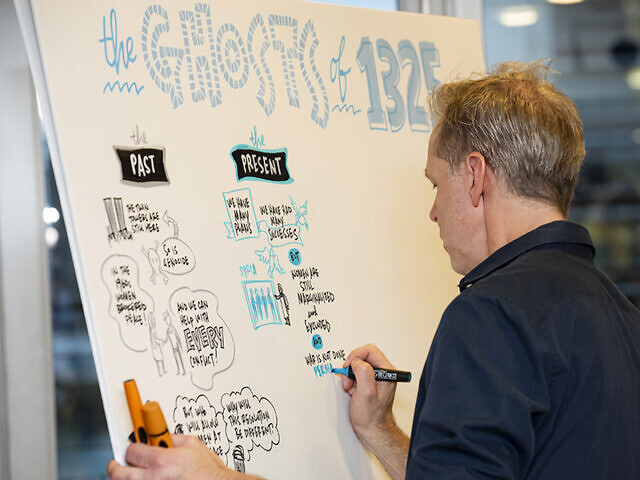
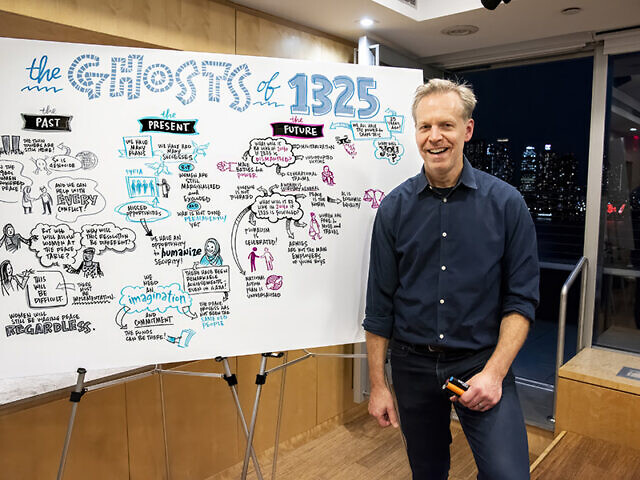
The Ghosts of 1325: Past, Present, Future
Event Video
Photos
Photos






jQuery(document).ready(function($){$("#isloaderfor-qtidfw").fadeOut(300, function () { $(".pagwrap-qtidfw").fadeIn(300);});});
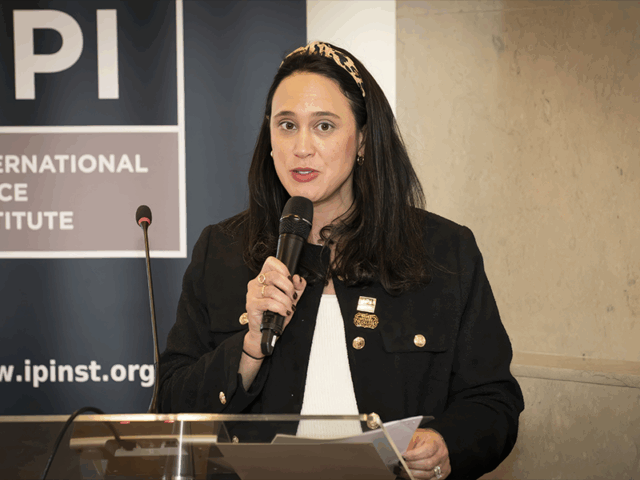
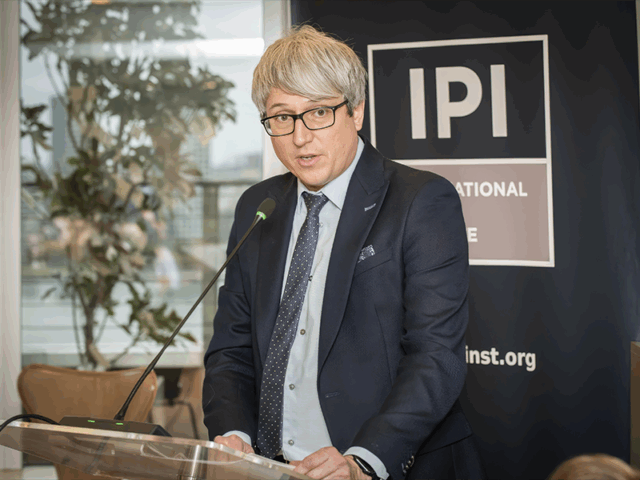
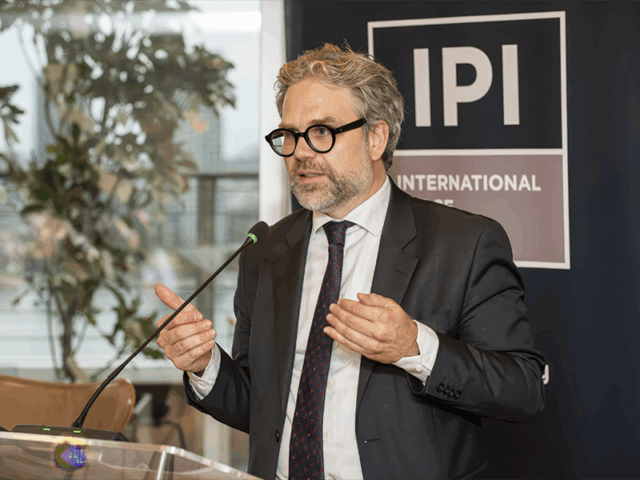
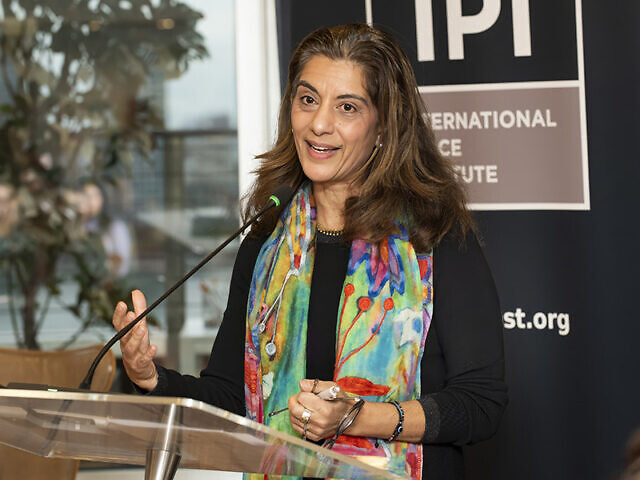
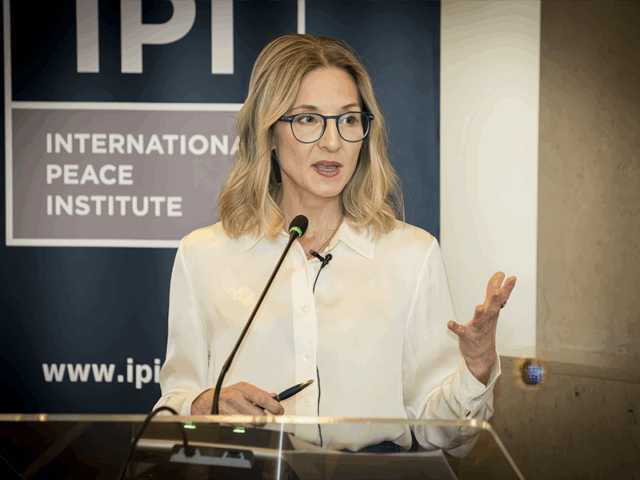
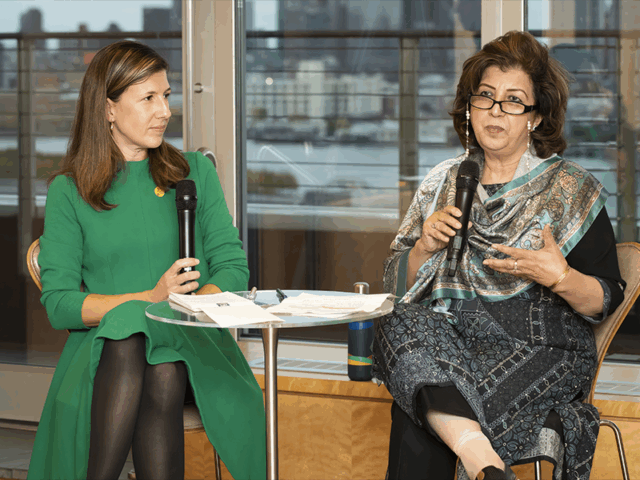
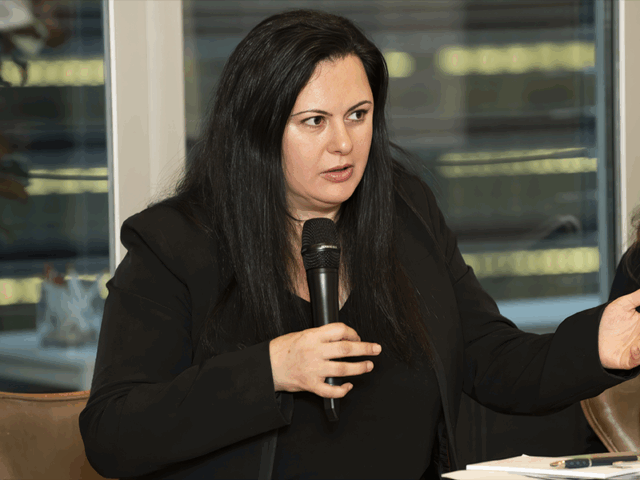
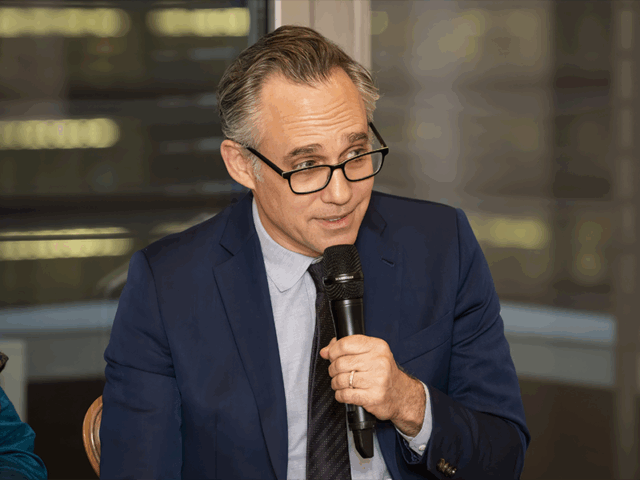
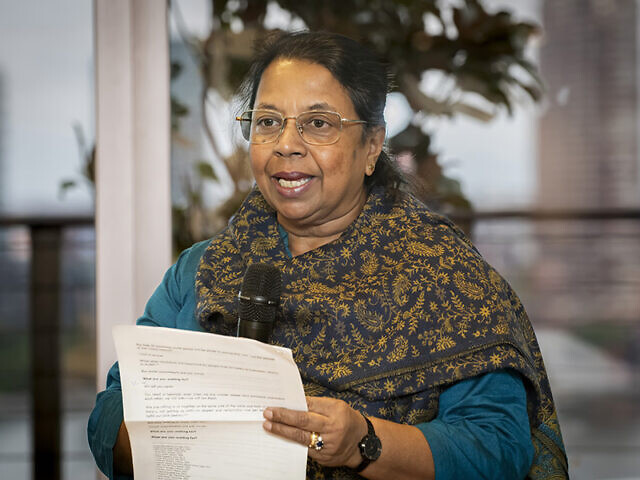
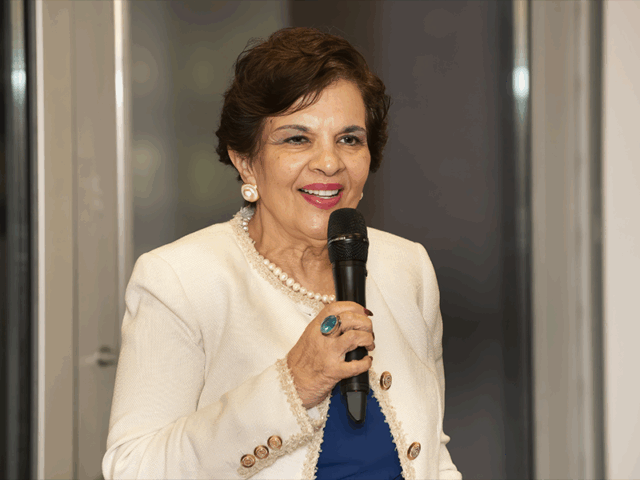
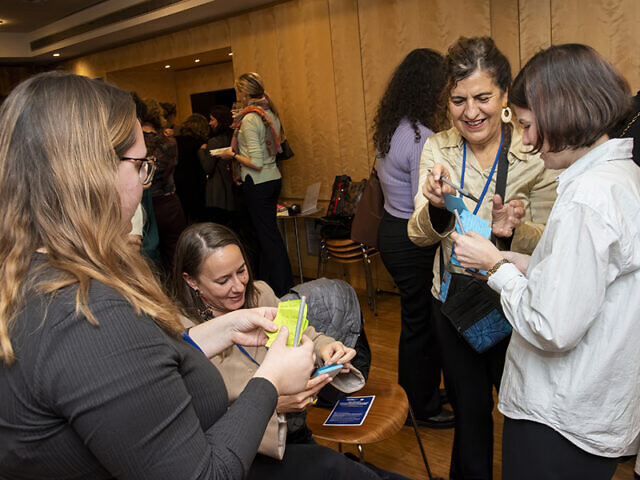
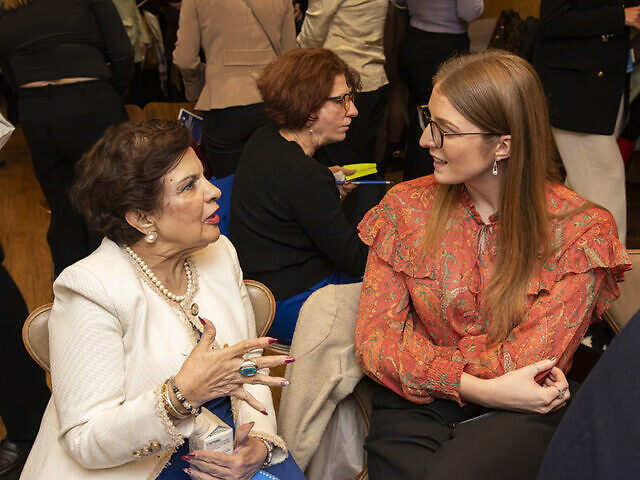
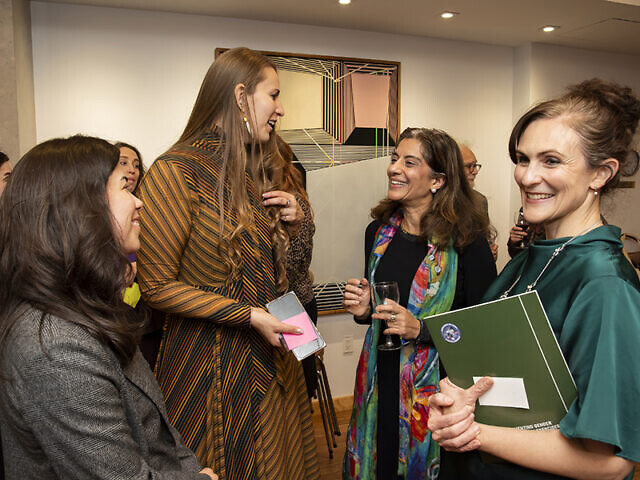
IPI and the International Civil Society Action Network (ICAN) cohosted an interactive event on “The Ghosts of 1325: Past, Present, Future” followed by a reception, on October 29th.
Bringing together women peacebuilders, civil society leaders, member states, UN agencies, and media, this event was hosted in partnership with the Permanent Mission of the United Kingdom to the United Nations, the Permanent Mission of Norway to the United Nation, the Global Partnership for the Prevention of Armed Conflict (GPPAC), Legal Action Worldwide (LAW), the PAIMAN Alumni Foundation, the Association for War Affected Women (AWAW), the Center for Civil Society and Democracy (CCSD), the Coalition for the UN We Need (C4UN), and Wo=Men Dutch Gender Platform.
Speakers invoked “The Ghosts of 1325”—carrying the voices of the past, present, and future to confront the Security Council with its unfilled promises. The event provided an opportunity for reflecting on, reckoning with, and renewing collective commitment to the vision of Resolution 1325.
On October 31, 2000, the UN Security Council unanimously adopted Resolution 1325 on women, peace, and security (WPS)—the first resolution to recognize women’s leadership and participation as critical to peace and security. From the outset, civil society has driven the WPS agenda, setting its vision, pushing governments to act, and holding them accountable while leading implementation on the ground.
Twenty-five years later, despite normative progress, women’s inclusion in peace processes remains the exception rather than the rule. Implementation has too often lagged behind rhetoric, and the WPS agenda risks being sidelined in transactional geopolitics. An agenda rooted in the prevention of war and humanization of security stands in contrast to current trends of rising violence and militarization. Marking the 25th anniversary offers an opportunity not merely to commemorate, but to provoke urgent reflection: What if 1325 were fully realized? What if it fades into irrelevance?
Speakers:
Phoebe Donnelly, Senior Fellow and Head of Women, Peace, and Security, International Peace Institute
Andreas Løvold, Deputy Permanent Representative of Norway to the United Nations
Paul Shrubsole, Acting WPS Focal Point, Permanent Mission of the United Kingdom to the United Nations
Sanam Anderlini, Founder and CEO, International Civil Society Action Network (ICAN)
Visaka Dharmadasa, Founder and Chair, Association of War Affected Women
Cerue Garlo, Women’s Alliance for Security Leadership
Mossarat Qadeem, Founder and President PAIMAN Alumni Trust
Helena Gronberg, Program Director, ICAN
France Bognon, Managing Director and Co-CEO, ICAN
Rajaa Altalli, Co-Founder, Center for Civil Society and Democracy
Adam Lupel, Executive Director, Coalition for the UN We Need
Mobina S.B. Jaffer, Former Canadian Senator representing British Columbia
Anwarul K. Chowdhury, Founder of Global Movement for the Culture of Peace
The post The Ghosts of 1325: Past, Present, Future appeared first on International Peace Institute.
Categories: Balkan News, Diplomacy & Defense Think Tank News
Shaqiri nach Klassiker froh: «Drei Punkte waren heute wichtiger als schönes Spielen»
Der FC Basel schlägt den FC Zürich im Klassiker zuhause verdient mit 2:0. Xherdan Shaqiri und Dominik Schmid zeigen sich nach dem Sieg zufrieden, bemängeln aber auch die Effizienz. Zudem geben sie schon einen Warnschuss in Richtung Bern ab.
Categories: Swiss News
US-Zölle machen Uhrenfabrik-Chef Bitterli sauer: «Die USA sind kein verlässlicher Handelspartner mehr»
Die Grovana Uhrenfabrik, eine der letzten unabhängigen der Schweiz, kämpft um ihr Überleben. Die US-Zölle zwingen Chef Christopher Bitterli, das US-Geschäft einzustellen. Neue Absatzmärkte sollen es richten. Geht die Rechnung auf?
Categories: Swiss News
«Heisst ja nicht, dass damit alles gelöst ist»: SCB-Sportdirektor Plüss stärkt Trainer Ehlers trotz Krise den Rücken
Am Dienstag erreichte der SCB mit der 4:5-Heimpleite gegen Ajoie einen neuen Tiefpunkt. Sportdirektor Martin Plüss (48) nimmt Stellung zur nicht enden wollenden Krise in Bern.
Categories: Swiss News
Lorena Röösli eröffnet 19. Staffel der SRF-«Landfrauenküche»: Schon als Kind ein Fan, nun als Teilnehmerin dabei
Die 26-jährige Lorena Röösli aus Hasle LU ist die jüngste Teilnehmerin aller Zeiten beim SRF-Quotenhit «Landfrauenküche». Am Herd punktet die Familienmutter dank selbst gemachten Ravioli mit Pilzen und Fleisch vom eigenen Hof. Am 31. Oktober beginnt die 19. Staffel.
Categories: Swiss News
Wegen Verspätungen brauchen Passagiere Verpflegung: So gibts gratis Getränke und Snacks im SBB-Zug
Züge zwischen Deutschland und der Schweiz kommen oft zu spät – so sehr, dass Passagieren gratis Wasser und Snacks abgegeben werden muss. Die wenig bekannte Vorschrift zwingt die SBB im Extremfall sogar, Verpflegung aus dem Speisewagen kostenlos zu verteilen.
Categories: Swiss News
«Pro Senectute» über das Älterwerden in der Schweiz: «Altern ist nichts für Feiglinge»
Ein 85-Jähriger liegt drei Tage hilflos am Boden, bis ihn die Rettung findet. Der Fall steht für ein wachsendes Problem: Sicherheit im Alter. Wie lässt sich Einsamkeit verhindern – und kann Technik helfen? Ein Gespräch mit Peter Burri von Pro Senectute.
Categories: Swiss News
Neuer Carvolution-Chef spricht Klartext: «Wer heute noch least, zahlt oft drauf»
Carvolution mischt mit dem Auto-Abo seit sieben Jahren den Schweizer Automarkt auf. Der neue CEO Jan Hinrichs erklärt, was das Abo so attraktiv macht, wie er Branchenriesen Paroli bieten will und warum die Schweiz beim Autofahren digitaler tickt, als viele denken.
Categories: Swiss News
Thurgauer Ludwig Takacs (85) lag nach einem Sturz drei Tage in der Wohnung – niemand hörte ihn: «Es ist ein Wunder, dass ich noch am Leben bin»
Beim Hosenausziehen stürzt der pensionierte Banker Ludwig Takacs (85) so unglücklich, dass er sich den Oberschenkelhals bricht. Das Handy war ausser Reichweite, die Fenster geschlossen. Er war dem Tod geweiht. Doch dann kam zum Glück seine Rettung.
Categories: Swiss News
Pages
the old site is here


© 2012-2015 Europa Varietas Foundation © 2015-2020 Europa Varietas Association
www.europavarietas.org | info(@)europavarietas(dot)org | Switzerland
This is a GDPR ready site


We are looking for sponsors for the English translation of these books, please contact turkeandras(at)gmail(dot)com